
When it comes to construction mats, choosing the right pattern styles and whether they should be one – or two – sided is a really big deal.
These mats are super important in construction, making sure everything runs smoothly.
Pattern Styles
Patterns on construction mats are made for specific reasons.

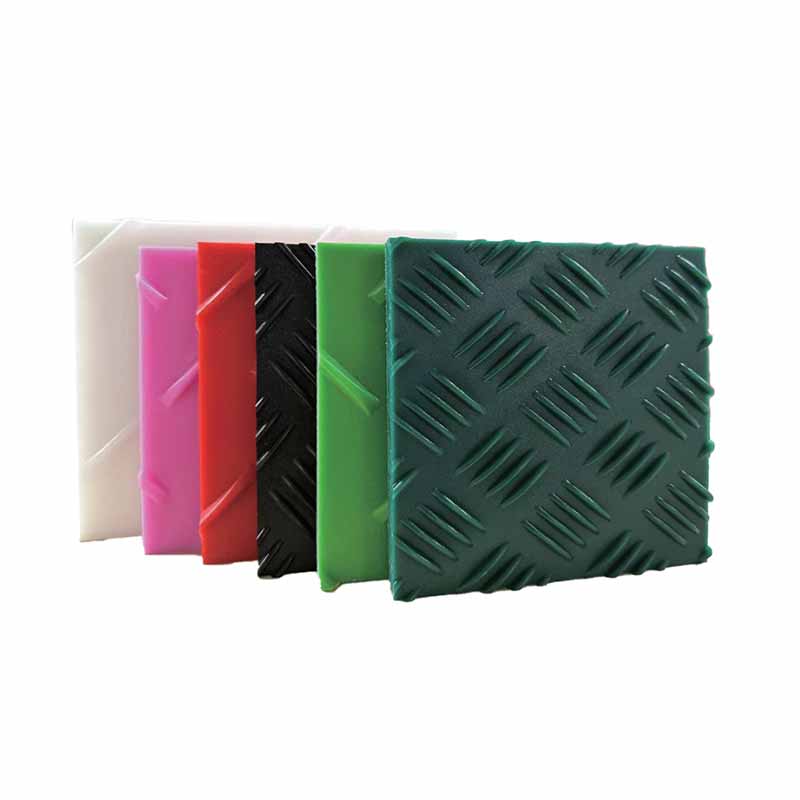
Chevron – shaped patterns, for example.
They’re great because those angled grooves can push water away.
This is really handy if you’re working in a wet or marshy area.
It helps heavy equipment not slip around and also stops water from messing up the mats or the ground underneath.
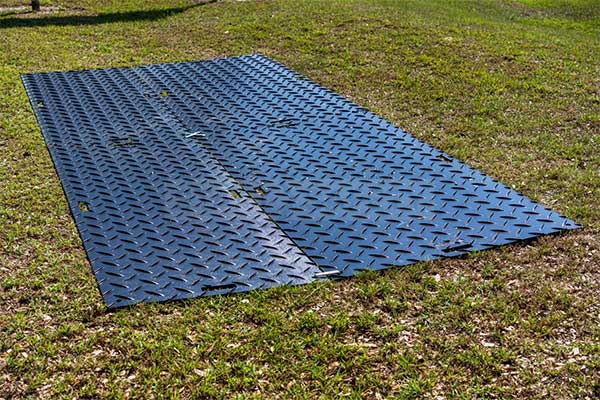
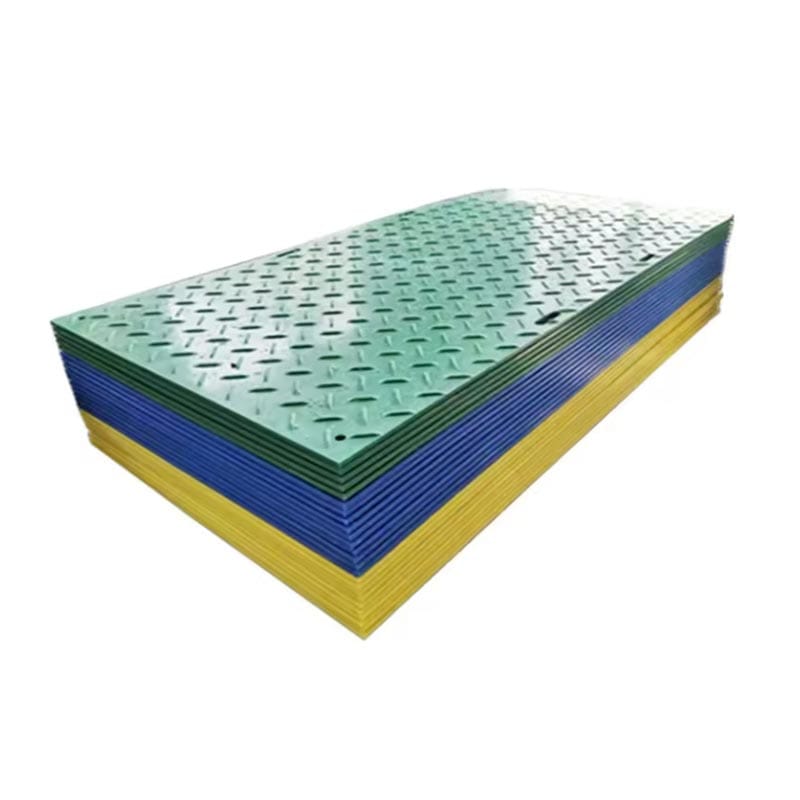
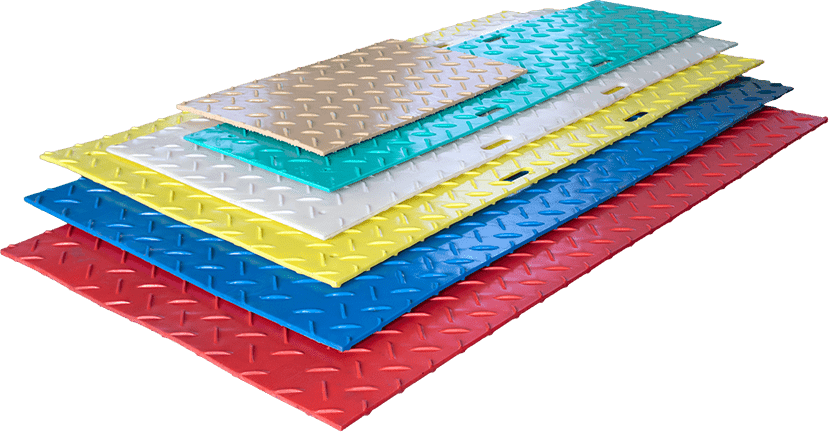
Diamond – plate patterns are also really common.
They’re awesome for getting good traction all around.
The diamond shapes are spaced out evenly, so they give lots of points of contact with the ground or the equipment.
This makes things way more stable.
Whether it’s a big bulldozer moving on uneven ground or a crane setting up its base, a diamond – pattern can stop it from slipping.

Grid – like patterns are great when you need to spread the weight around.
The lines that cross each other in the grid make a kind of network.
This spreads the weight of heavy machines across the mat evenly.
That’s really important because it stops parts of the mat from getting too much stress, which could make the mat bend or push into the ground.
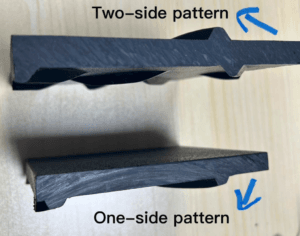
One – Side or Two – Side Pattern
One – side pattern mats are simple and usually cheaper.
They’re perfect when the conditions at the construction site don’t change much.
Let’s say you’ve got a site with dry, firm ground. A one – side mat with a pattern that helps with traction on the side that touches the equipment is all you need to keep the machinery moving without slipping.
And they’re easy to handle and put in place.
But two – side pattern mats are way more flexible.
One side might have a really deep – grooved, rough pattern.
You’d use this side on soft, muddy, or sloped ground.
It can dig into the ground to give you the most traction and stability.
The other side could be smoother or have a different pattern that’s better for spreading the load.
You can flip the mat over and use this side when the ground conditions change.
Like, if you’re moving from outside on rough ground to inside where the floors are more delicate, you can use the less – rough side so you don’t scratch anything.
So, in the end, when you’re picking pattern styles and one – or two – sided patterns for construction mats, you’ve got to really think about the conditions at the construction site, what kind of equipment you’re using, and what the whole project needs.
Making the right choice can make the construction work safer, more efficient, and the mats will last longer.
That’s super important for getting the project done right.