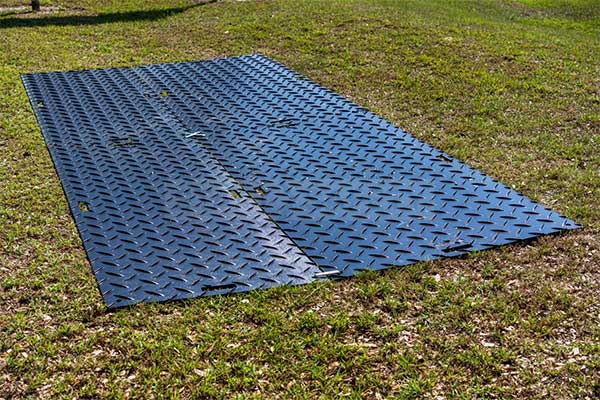

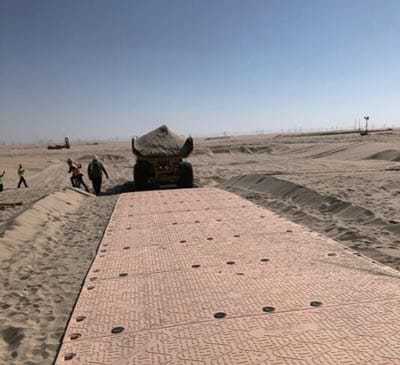
Ground protection mats are a necessary and very popular plastic product used in many applications such as construction, beaches, dirt floors and more.
They help prevent damage to the ground,provide a stable surface for equipment, and ensure the safety of people in their locations. Of course, there are many types of floor protection mats available, so you may have trouble choosing one. We recommend that you consider the following key factors to help you make the best choice for your needs.
- Assess Your Project Requirements
The first step in selecting the right ground protection mat is to understand the specific needs of your project. Consider the following questions:
What type of surface are you working on (grass, gravel, mud, etc.)?
- What kind of equipment or vehicles will be used on the mats?
- How much weight will the mats need to support?
- Will the mats be used temporarily or for an extended period?
By answering these questions, you can narrow down the options and focus on mats that meet your specific requirements.
- Material Matters
Ground protection mats are made from various materials, each with its own advantages. The most common materials include:
- HDPE(High-Density Polyethylene): Self-lubricating, durable, and resistant to chemicals, HDPE mats are ideal for a wide range of applications.
- Composite: These mats combine different materials to offer enhanced strength and durability. This material is more economical compared to other materials.
- UHMWPE:is the most best high performance engineering plastics,with the highest molecular weight.
Choose a material that aligns with the demands of your project and the environment in which the mats will be used.
- Load-Bearing Capacity
One of the most critical factors to consider is the load-bearing capacity of the ground protection mats. Ensure that the mats you choose can support the weight of the equipment and vehicles that will be used on them. Manufacturers typically provide load-bearing specifications, so compare these with your project’s requirements to make an informed decision.
- Size and Thickness
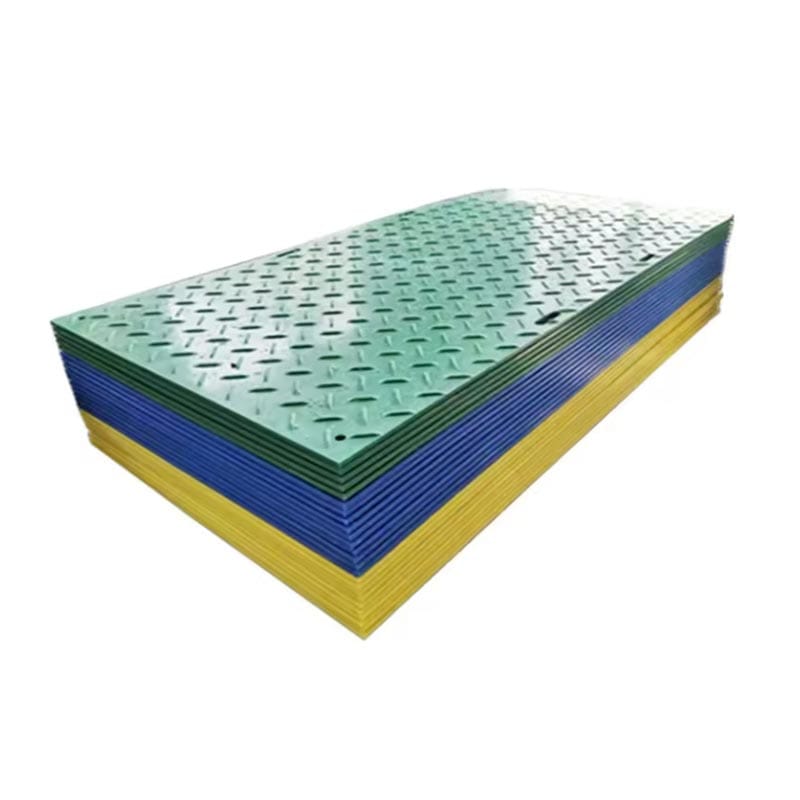
Ground protection mats can customized sizes and thicknesses. Larger mats cover more area and can be more efficient for extensive projects, while smaller mats are easier to handle and transport. Thickness is also important, as thicker mats generally offer better protection and support. However as they are heavy they are not easy to install. Balance size and thickness based on the scope of your project and the ease of handling.

- Connection Mechanism
Many ground protection mats feature connection mechanisms that allow them to be linked together, creating a continuous surface. These mechanisms can include interlocking edges, clips, or bolts. Consider the ease of installation and the stability provided by the connection system when choosing your mats.
- Surface Texture
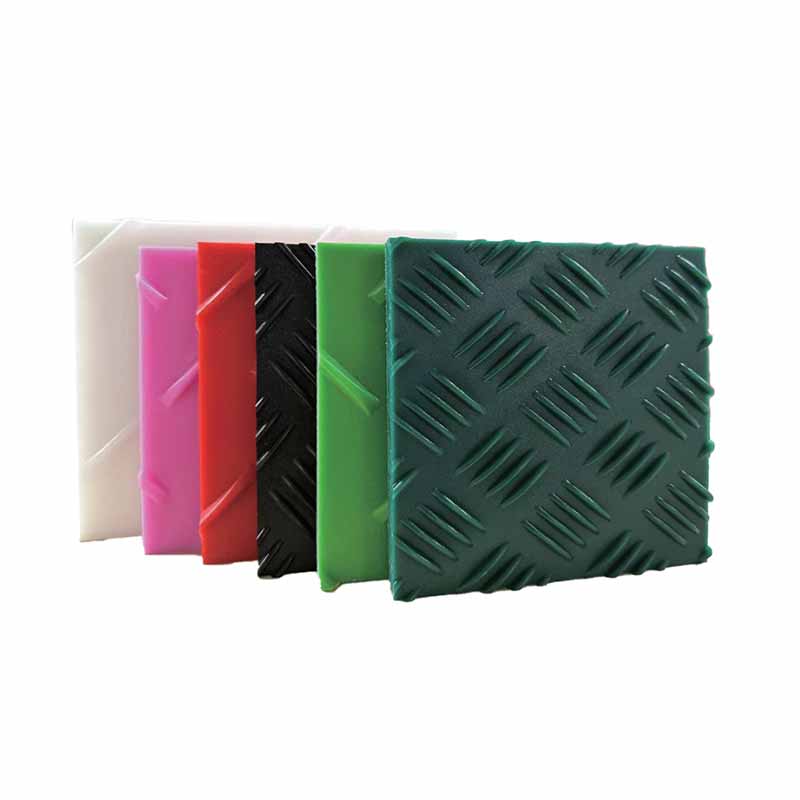
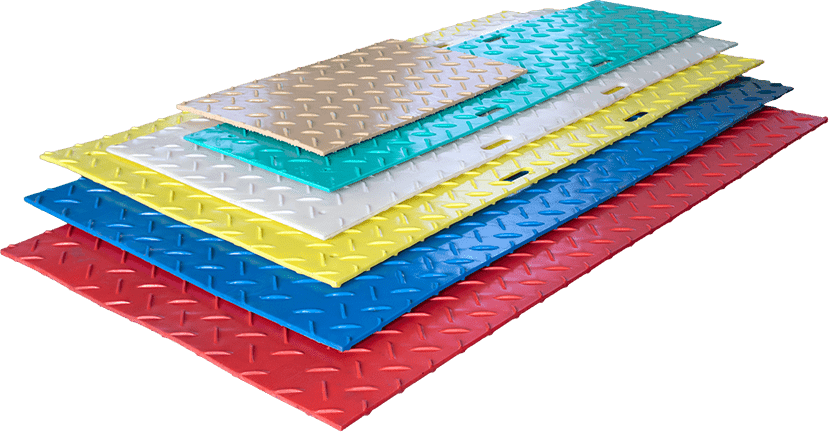
The surface texture of ground protection mats can impact traction and safety. Mats with a textured or patterned surface provide better grip for vehicles and pedestrians, reducing the risk of slipping. Evaluate the surface texture based on the type of activities that will take place on the mats.
- Budget Considerations
Finally, consider your budget when selecting ground protection mats. While it’s important to choose high-quality mats that meet your needs, there are options available at various price points. Compare different products and find a balance between cost and functionality.
Conclusion
Choosing the right ground protection mat for your needs requires careful consideration of its location, material, load bearing capacity, size, thickness, attachment mechanism, surface texture and budget. By considering these factors, you can choose the best mat for a safe and efficient project, so make an informed choice for the best results.