
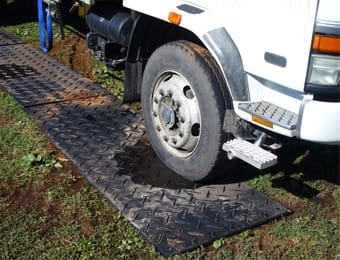
Ground protection mats are essential for preserving terrain, ensuring safety, and providing stable surfaces in construction, landscaping, and event management. But how exactly do they work? This article explores the mechanics, benefits, and applications of ground protection mats.
What Are Ground Protection Mats?
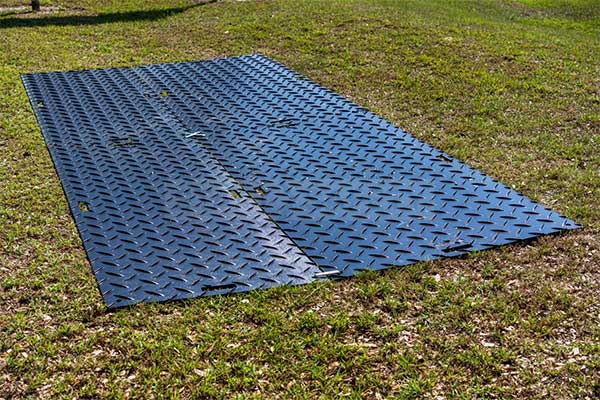
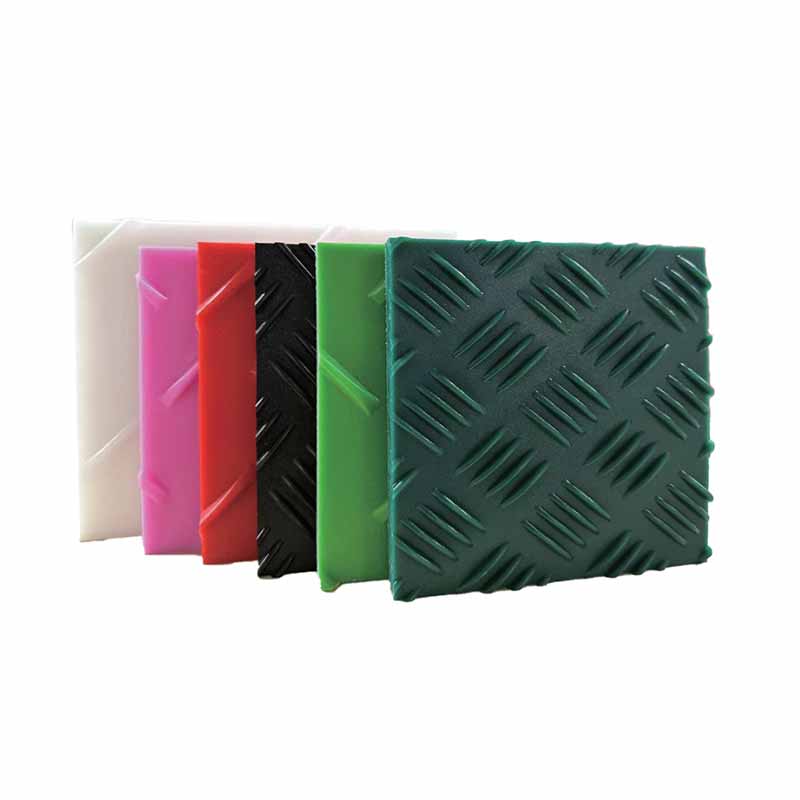
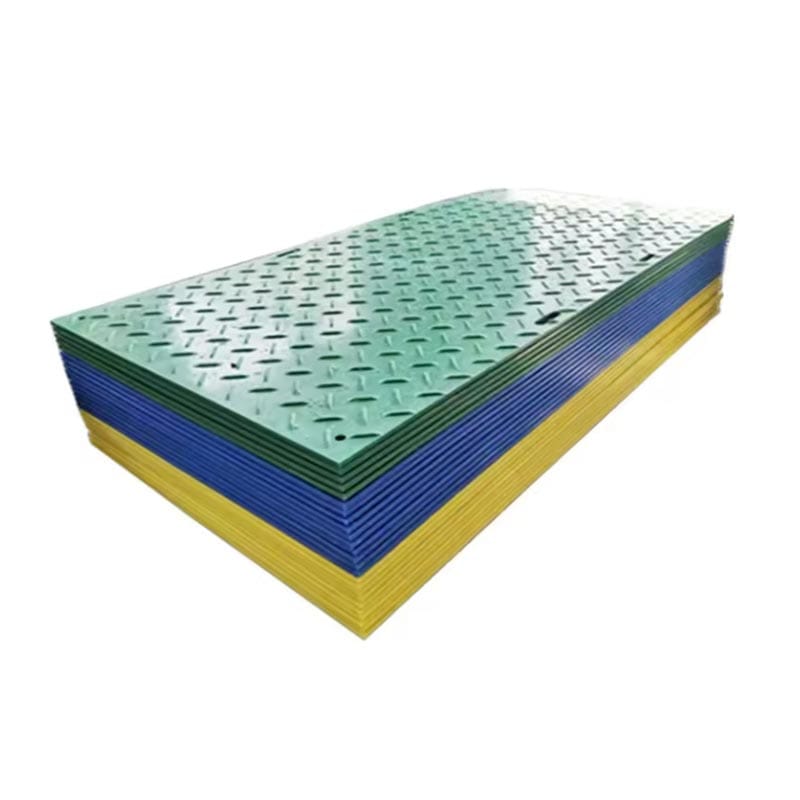
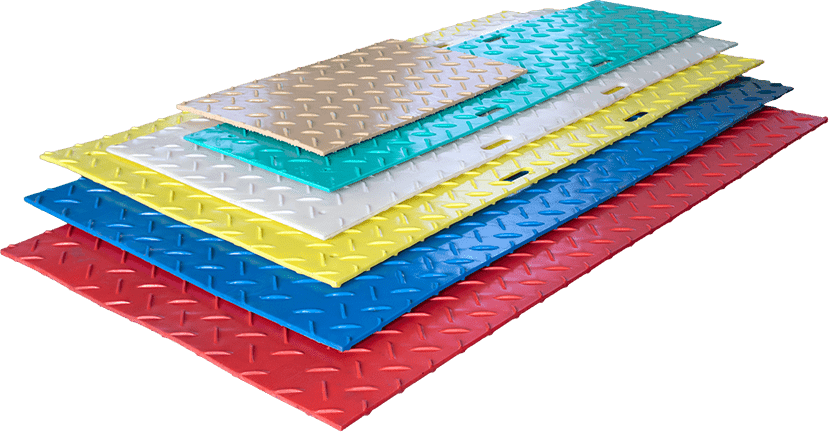
Ground protection mats are durable, temporary surfaces designed to distribute weight and prevent damage to grass, soil, or sensitive terrain. Made from materials like high-density polyethylene (HDPE), composite plastics, or rubber, these mats create a stable pathway for heavy machinery, vehicles, and foot traffic.
How Do Ground Protection Mats Work?
1. Weight Distribution
The primary function of ground protection mats is to spread the load of heavy equipment. Without mats, concentrated pressure from machinery can cause ruts, soil compaction, or turf damage. The mats distribute weight evenly, reducing ground pressure and preventing surface degradation.
2. Traction and Stability
Many ground protection mats feature anti-slip textures or interlocking designs that enhance grip. This prevents vehicles from slipping, especially in wet or muddy conditions, ensuring safer operations.
3. Environmental Protection
By creating a barrier between machinery and the ground, these mats prevent soil erosion, root damage, and contamination. They are commonly used in environmentally sensitive areas to comply with regulations.
4. Temporary Access Solutions
Ground protection mats provide instant roadways over soft or uneven terrain. Whether for construction sites, outdoor events, or utility work, they offer a quick and reusable solution for temporary access.
Key Benefits of Ground Protection Mats
Prevent Ground Damage – Protect lawns, wetlands, and construction sites from rutting and compaction.
Enhance Safety – Reduce slip hazards and improve stability for workers and equipment.
Cost-Effective – Reusable and easy to install, minimizing long-term restoration costs.
Versatile Applications – Suitable for construction, festivals, utility work, and more.
Common Uses of Ground Protection Mats

Construction Sites – Support cranes, excavators, and heavy trucks.
Outdoor Events – Protect grass at weddings, concerts, and festivals.
Landscaping Projects – Safeguard lawns during tree removal or irrigation work.
Utility and Pipeline Work – Provide stable access in muddy or uneven terrain.
Choosing the Right Ground Protection Mats
When selecting mats, consider:
Load Capacity – Ensure they can handle the weight of your equipment.
Material – HDPE mats are lightweight and durable, while rubber mats offer extra grip.
Size and Interlocking Design – Larger mats cover more area, while interlocking systems provide stability.
Conclusion
Ground protection mats are a practical solution for preserving terrain while ensuring safe, stable access for heavy machinery and foot traffic. By distributing weight, improving traction, and preventing environmental damage, they are indispensable in construction, events, and landscaping.
For durable and reliable ground protection, investing in high-quality mats ensures long-term cost savings and environmental compliance.
Meta Description: Discover how ground protection mats work, their benefits, and applications. Learn how these mats prevent ground damage and provide stable access for heavy machinery.
Keywords: ground protection mats, how ground mats work, temporary access mats, construction mats, ground stabilization, HDPE mats, anti-slip mats, environmental protection mats