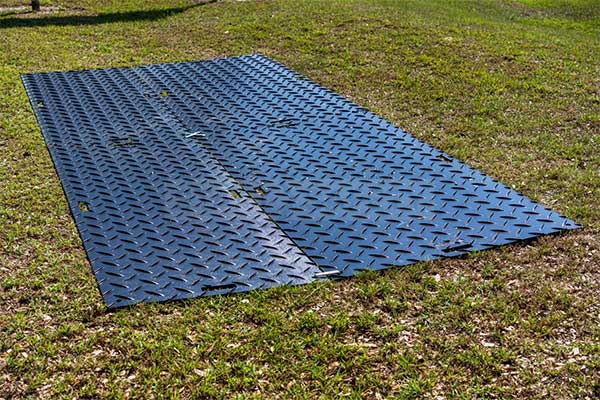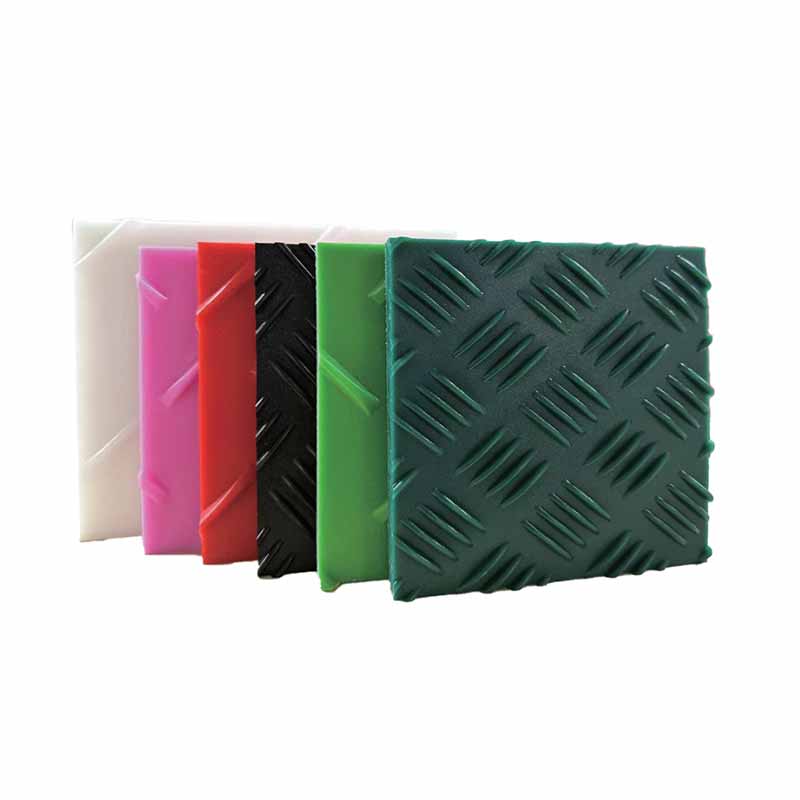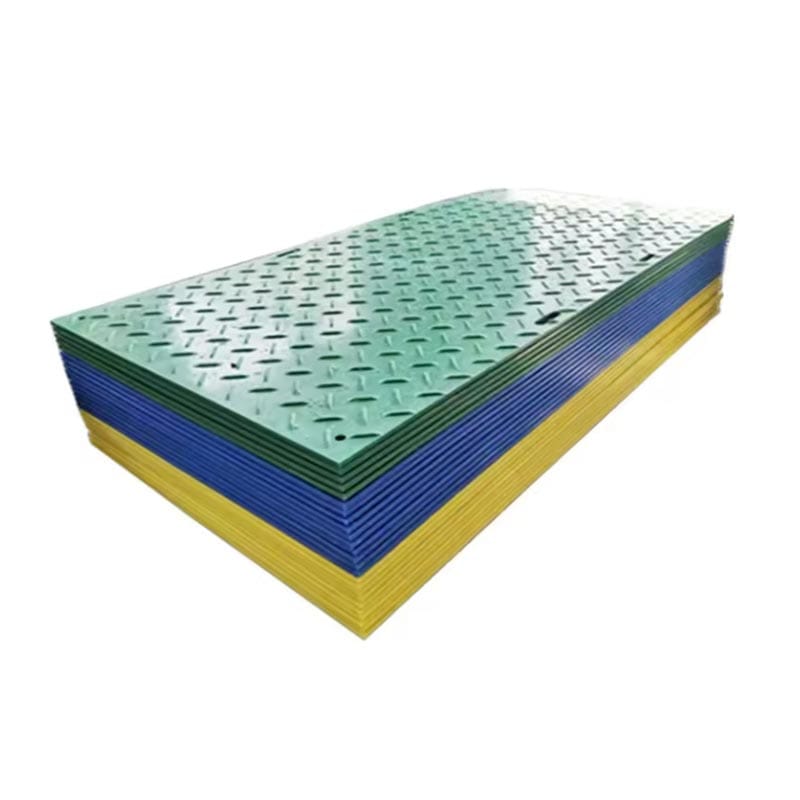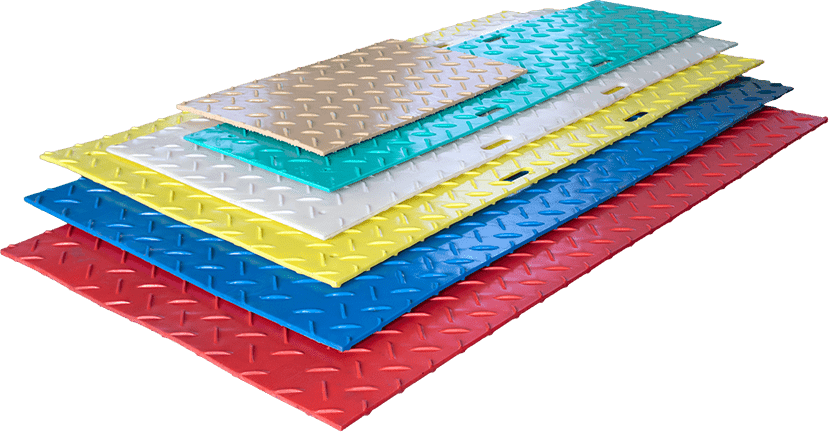

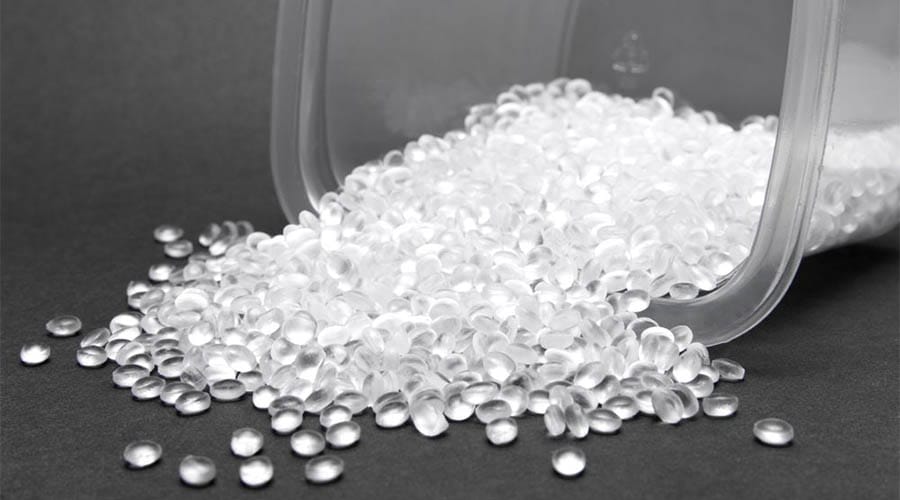
HDPE Ground Mats are like magic tools that are widely used in many aspects of our daily life. They’re not just ordinary boards but extremely useful in various situations.
Ideal for Challenging Terrains
In harsh environments such as deserts, where there’s sand everywhere, traditional road – building materials just don’t work. HDPE Ground Mats, however, are lightweight yet strong. They can be easily transported deep into the desert and quickly assembled into temporary roads. This allows supply trucks to travel smoothly, ensuring the delivery of essential goods, and also provides a safe path for desert explorers.
Swamps and muddy areas are also no match for these boards. With their excellent load – bearing capacity and high wear – resistance, HDPE Ground Mats can transform soft and unstable ground into safe and durable passages. Construction machinery and workers can move around without the worry of getting stuck.
Great Help in Construction Sites
On drilling platforms, large – scale machinery operates continuously, demanding a stable ground. Laying HDPE Ground Mats can prevent machinery from sinking, ensuring the smooth progress of drilling operations. By the seaside, where seawater and salty sea breezes can quickly corrode common materials, these boards prove their worth. They can be used to build walkways between the shore and offshore facilities. In construction sites, they are used to create temporary walkways and vehicle lanes, facilitating the movement of people and materials.
Applications in Different Engineering Fields
In farmland water conservancy projects, HDPE Ground Mats are quite handy. When building or maintaining irrigation canals, placing these boards along the sides can prevent water seepage into the soil and also allow water to flow more smoothly. For reservoirs and dams, they can be used to quickly construct access roads for inspection and repair work.
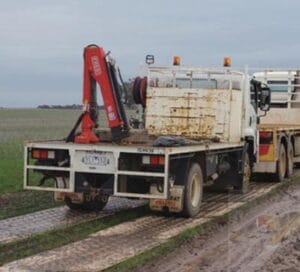
After Use
In construction engineering, they play a crucial role. When building cofferdams, they can hold back water, keeping the construction site dry. For soft ground, laying these boards can evenly distribute the weight of buildings, making them more stable. In underground parking lots, they can be used at the bottom to protect the soil and provide a smooth driving surface. When building simple earthquake – resistant houses, they can be used as the floor, providing some shock – absorbing effect.
In traffic engineering, they protect roadbeds from damage caused by water, frost, and traffic. During road construction, laying them first allows vehicles to keep moving while the formal road is being built. At port terminals, they can be used to build platforms, making it convenient for loading and unloading goods and for vehicles to enter and exit.
Lifesavers in Emergencies
During natural disasters like earthquakes, when roads are damaged, HDPE Ground Mats can be rapidly deployed to create temporary roads. This enables rescue vehicles to reach the affected areas quickly with food, medicine, and other relief supplies. In flood situations, they can be used to block floodwaters or build raised platforms to store emergency supplies above the water level. In case of mudslides or landslides, they can provide a safe evacuation route. In sandy and windy areas, they can serve as wind barriers or be used to build temporary shelters.
Adding Comfort in Recreational Areas
In stadiums, these boards can be used to pave running tracks, basketball courts, and tennis courts, providing a comfortable and non – slippery surface for athletes. In exhibition areas, they can be used to create vehicle lanes for transporting exhibits and stable platforms for booths, ensuring the smooth movement of people and goods.
It’s clear that HDPE Ground Mats are incredibly versatile. There are likely even more applications waiting to be discovered. If you come across any new uses for these boards, don’t hesitate to share them with us!