
- Introduction
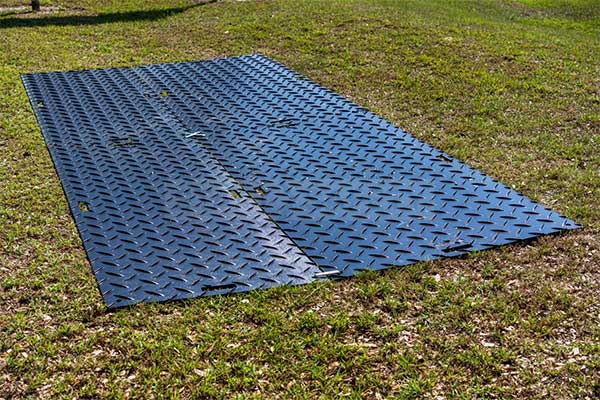
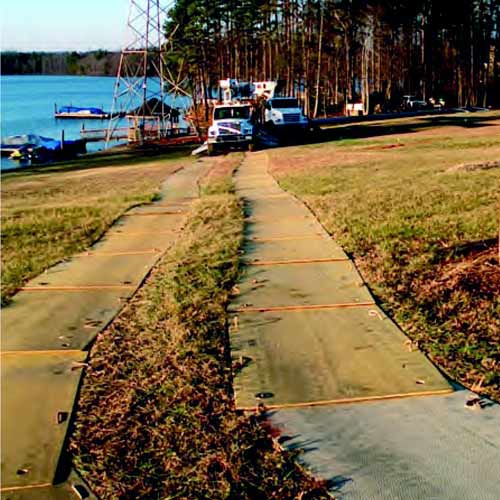
Ground protection mats are vital in facilitating operations across various industries, particularly in environments characterized by muddy and unstable terrains. These mats provide essential traction and stability for heavy equipment and personnel, preventing accidents and ensuring operational efficiency. This essay explores the specific applications of ground protection mats in muddy conditions and delineates the conditions that ensure their optimal utilization . Through a qualitative analysis, incorporating expert interviews and on-site testing, the study aims to offer comprehensive insights into maximizing the effectiveness of these mats in challenging muddy environments.
- Methodology
The research adopted a qualitative approach, utilizing thematic analysis of structured interviews with professionals in construction, landscaping, and environmental management, who regularly contend with muddy operational conditions. Additionally, direct observations and practical testing of different mat types in muddy conditions were conducted to assess performance variables. This approach was chosen to gather contextual and detailed data that would highlight both the benefits and limitations of various mat configurations. Respect for environmental integrity and site safety formed the core of the ethical considerations adhered to during the study.
- Qualitative Analysis
Interviews and field tests revealed several critical applications for ground protection mats in muddy environments. Key themes included the prevention of equipment sinking, which is often a costly and time-consuming issue in such environments. Mats were also noted for their role in creating safe walkways for personnel, thus reducing the risk of slips and falls. Furthermore, the protection they offer against ground churn and vegetation damage underlines their environmental advantage.
- Discussion
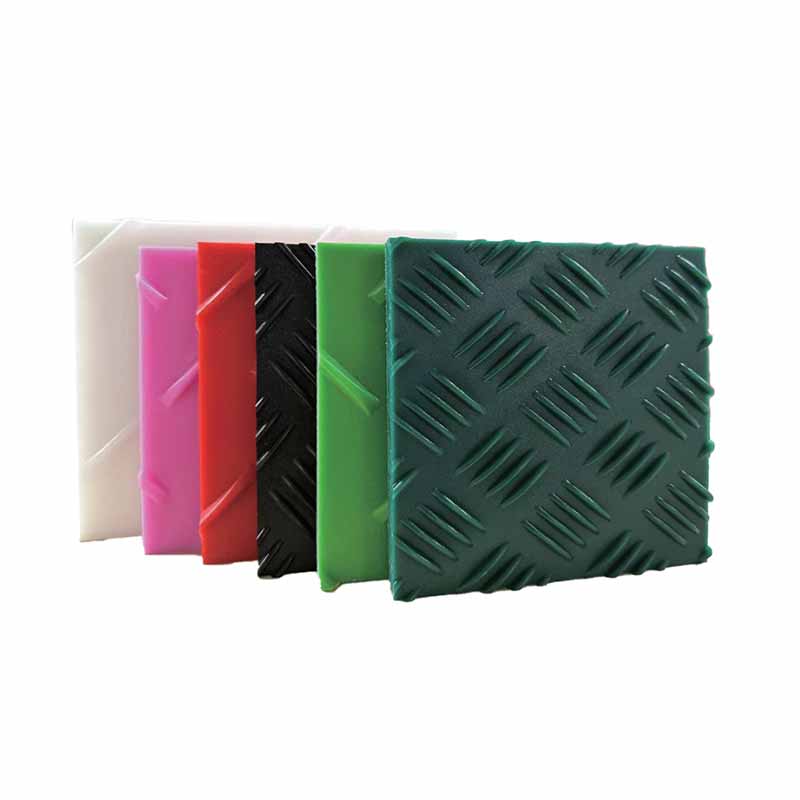
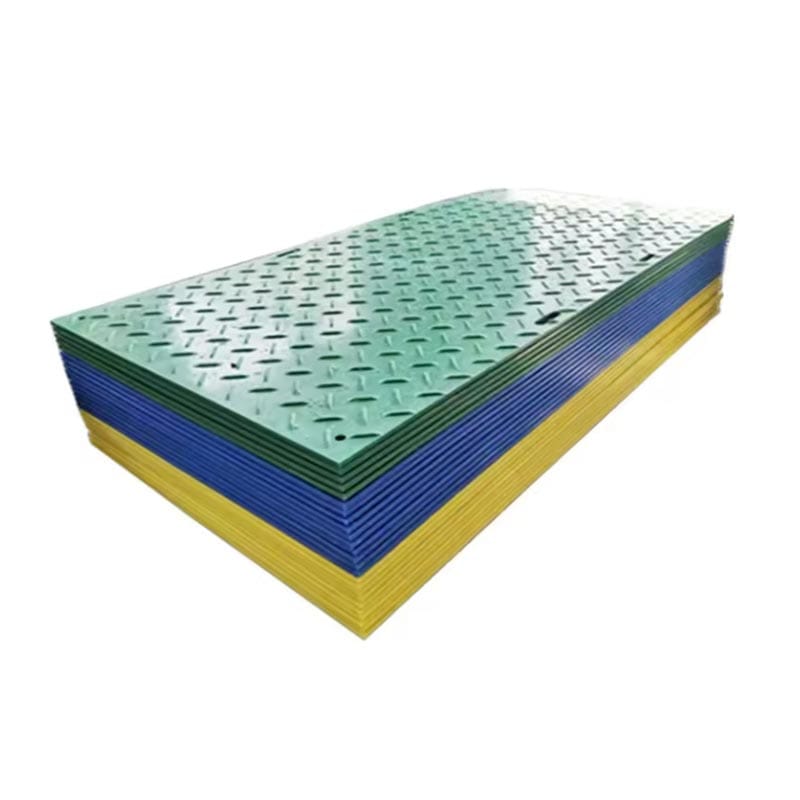
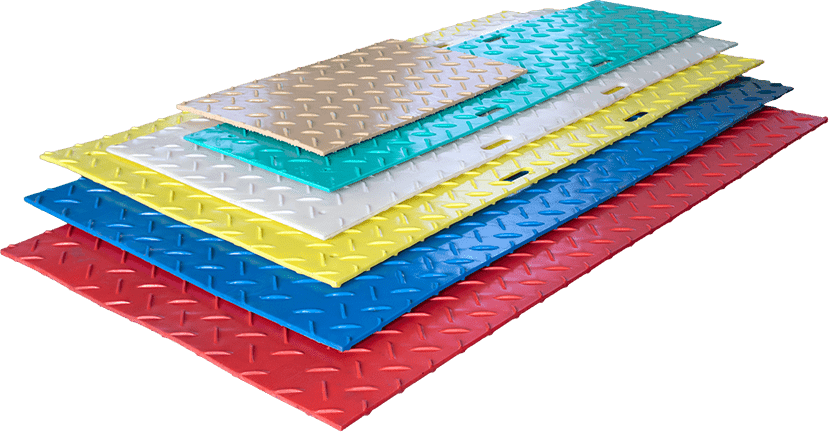
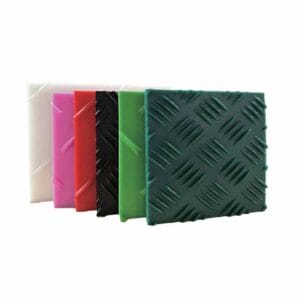
The effectiveness of ground protection mats in muddy conditions is heavily dependent on proper mat selection and usage. The analysis suggests that thicker, high-density polyethylene mats tend to perform better in severe mud, due to their strength and durability. Conditions such as the depth of mud and the weight of equipment being used are critical factors in determining the appropriate type of mat. The study also discusses logistical aspects, such as mat transportation and placement, which are pivotal for optimizing their use in muddy conditions.
- Conclusion
Ground protection mats have been affirmed as essential tools for managing operations effectively in muddy environments. This qualitative analysis has provided valuable guidelines on the applications and conditions necessary for their optimal use. As industries continue to face challenging environments, the strategic deployment of ground protection mats offers a viable solution to maintaining safety and efficiency. Future research should explore innovative materials and designs that could further enhance the adaptability and effectiveness of these mats in diverse environmental conditions.